Call us: 03 9993 7196
  Opening hours: Mon - Sat: 8:00am To 9:00pm


Effective Bird Control Methods For All Types of Birds

Bird Control Methods in Melbourne: Which One Actually Works for Your Property?
Across Melbourne, bird infestations take a different shape depending on the property. Pigeons settling in under a row of solar panels, gulls fouling a warehouse roof week after week, mynas growing bolder around a cafe's outdoor tables.
The damage, noise, and mess all feel familiar, but the fix rarely is.
Spikes, netting, gel, and electric deterrents each work in one situation and underperform in another, and choosing the wrong one usually means paying for a bird control solution twice.
If you're searching for a bird control method that will actually protect your property, not just patch the problem for a few weeks, you're in the right place. This guide breaks down how each method performs best, so you can choose with confidence before investing in protecting your property.
Why the "Best" Bird Control Method Depends on Your Situation
There's no universal answer to "what's the best bird deterrent method," because the variables change from property to property. A flock of pigeons nesting under solar panels needs a different solution from seagulls fouling a rooftop HVAC unit, which is different again from Indian mynas working a commercial kitchen exhaust.
Four things drive the decision: bird species, the level of bird pressure (a handful of birds versus an established colony), the type of surface or structure, and budget. A heritage-listed building in inner Melbourne might rule out anti-bird spikes on aesthetic or planning grounds, while a large warehouse with multiple entry points needs full exclusion rather than a perch deterrent. This is why a proper bird-proofing assessment usually looks at the whole property, not just the symptoms.
The Main Types of Bird Control Methods & Their Pros and Cons
Here's a practical breakdown of the bird deterrent methods most commonly used across Melbourne homes and businesses, including where each one performs well and where it falls short:
1. Bird Netting
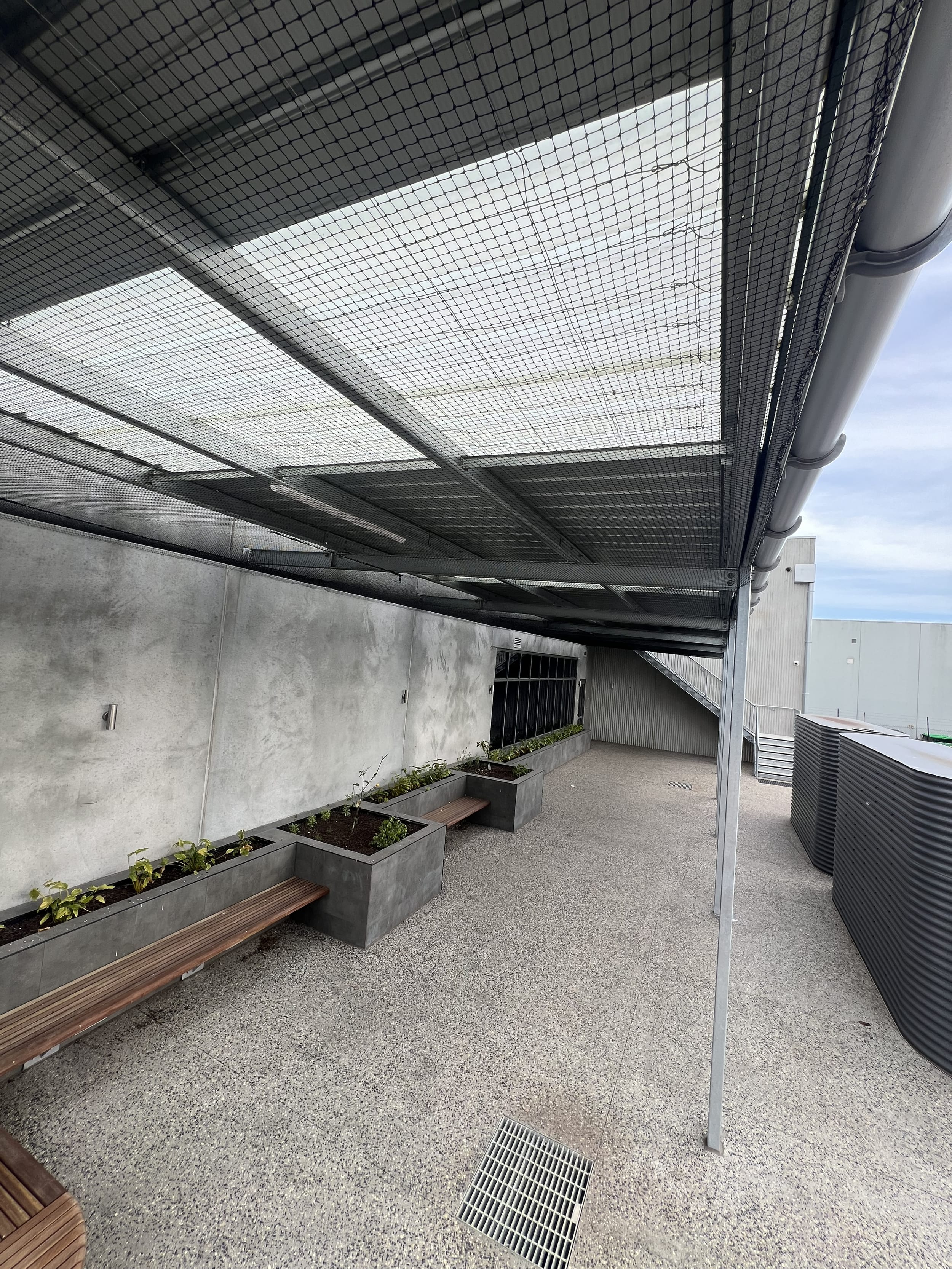
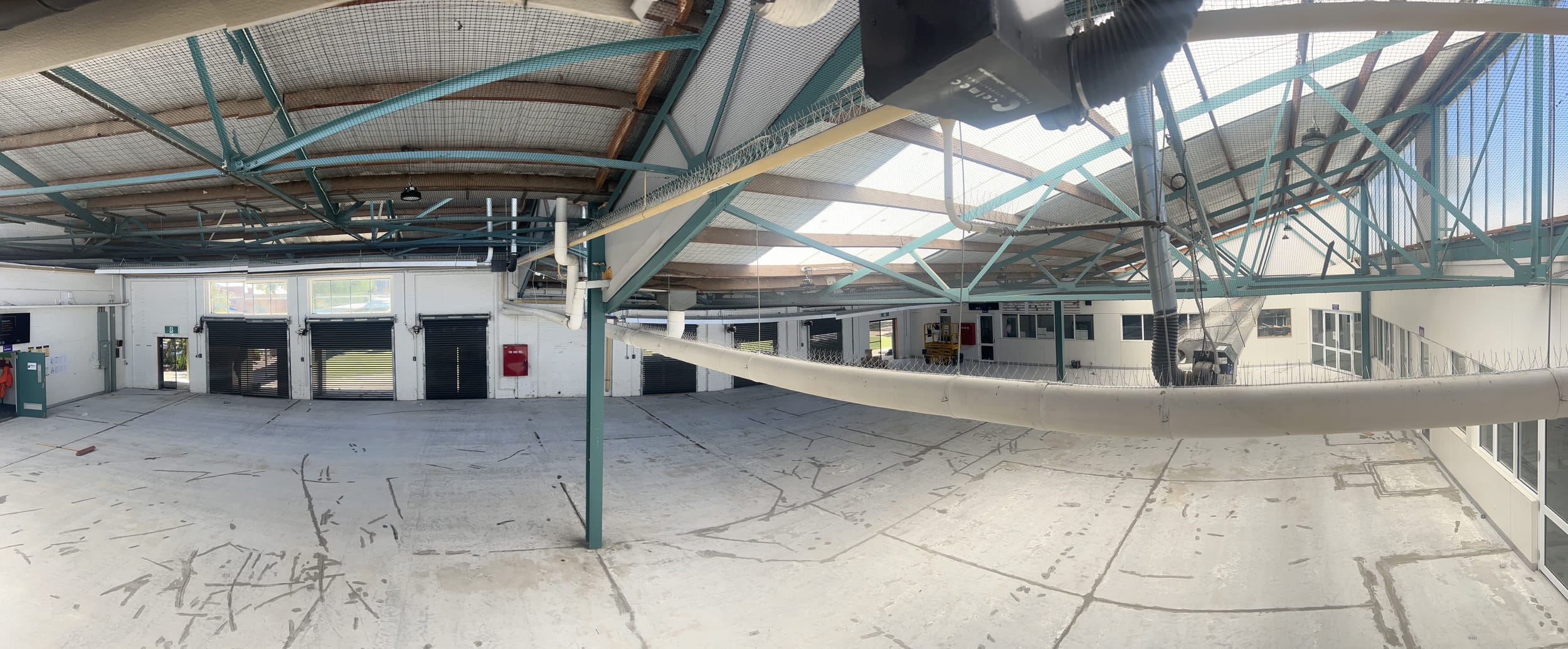
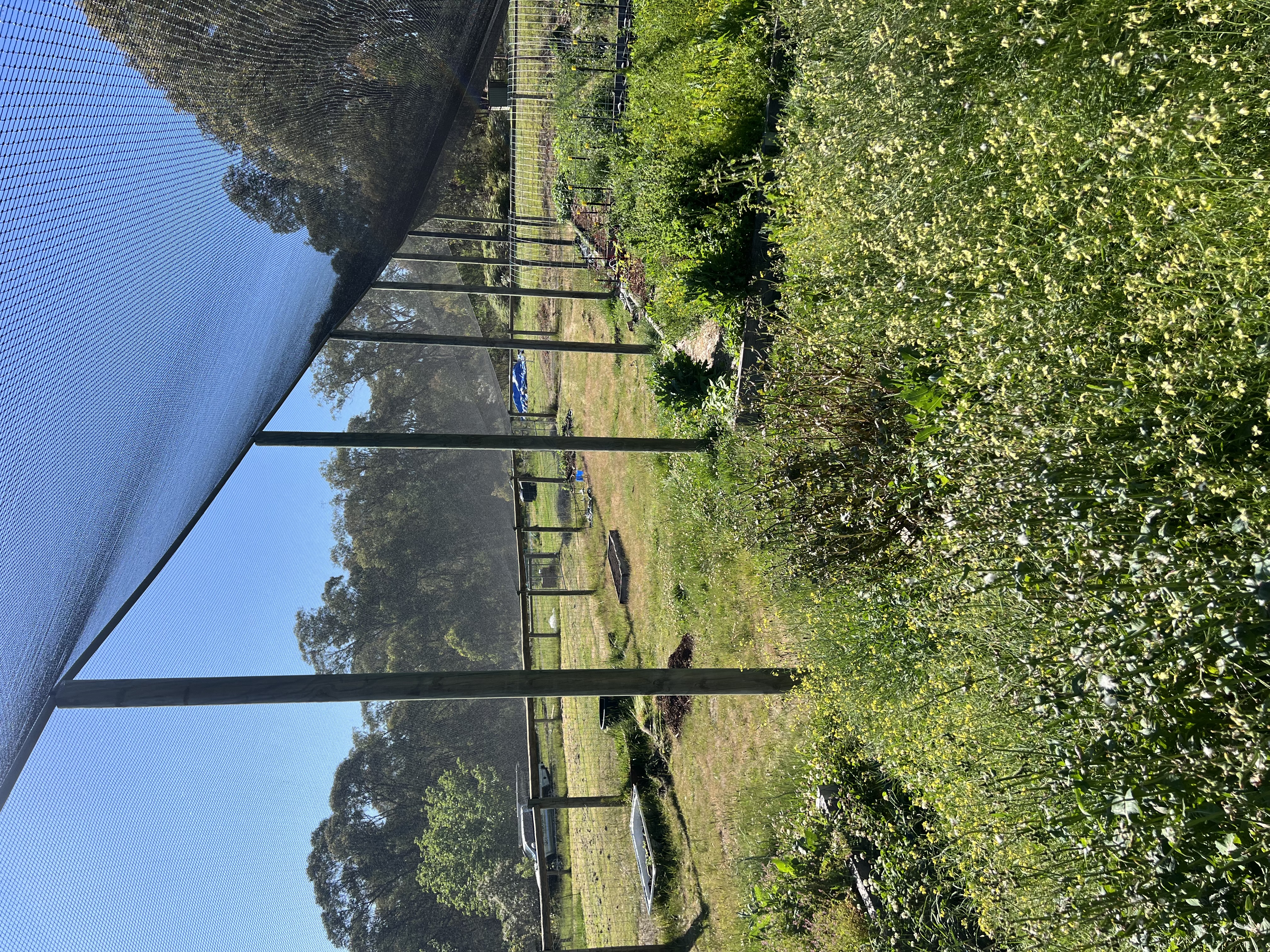
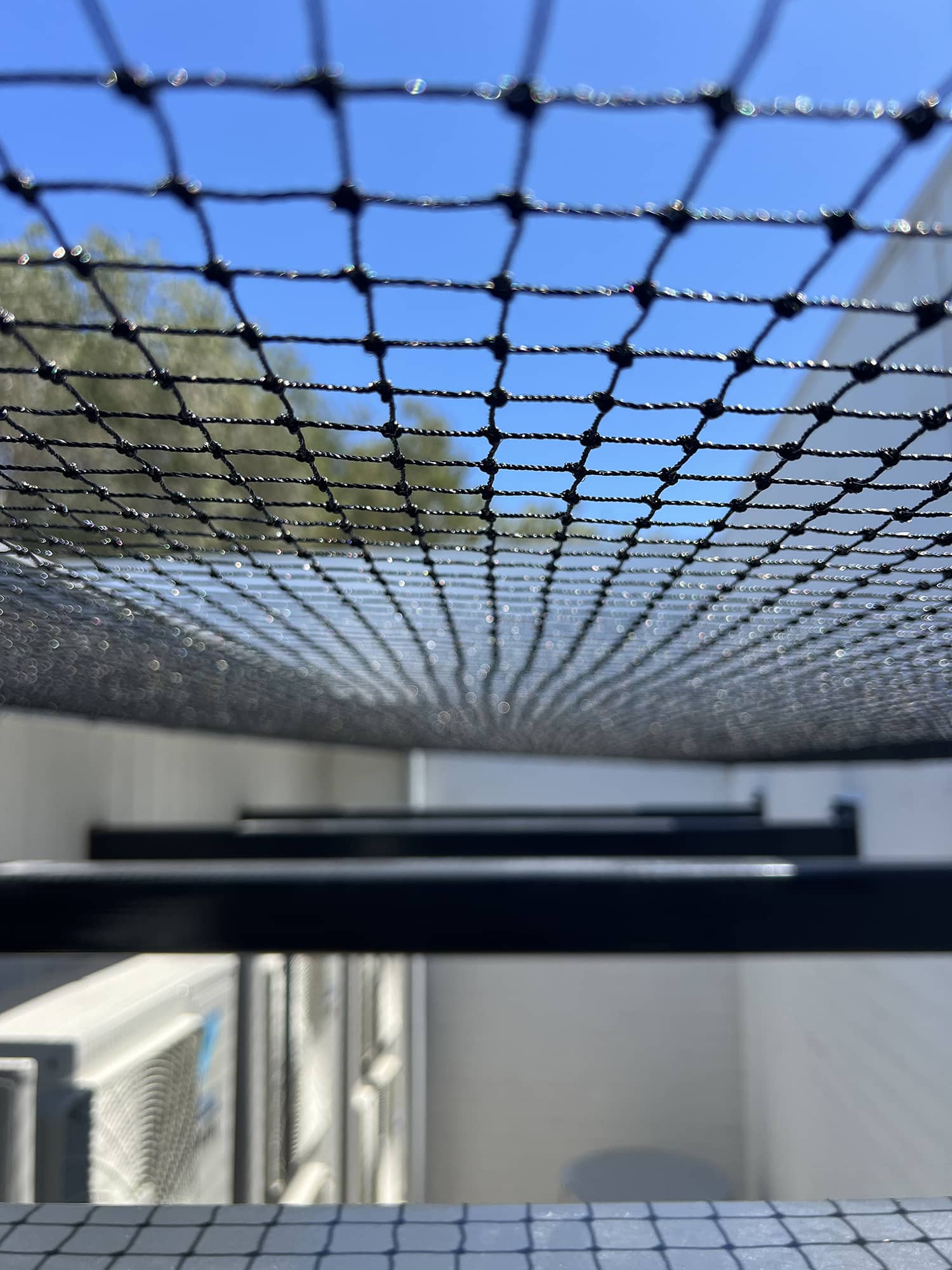
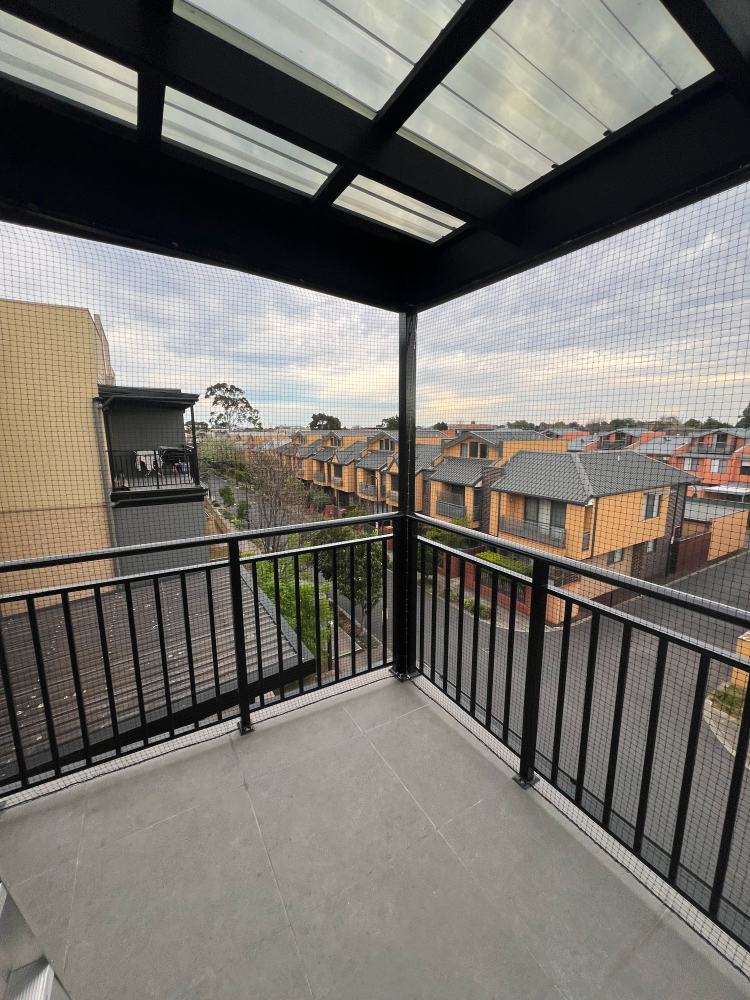
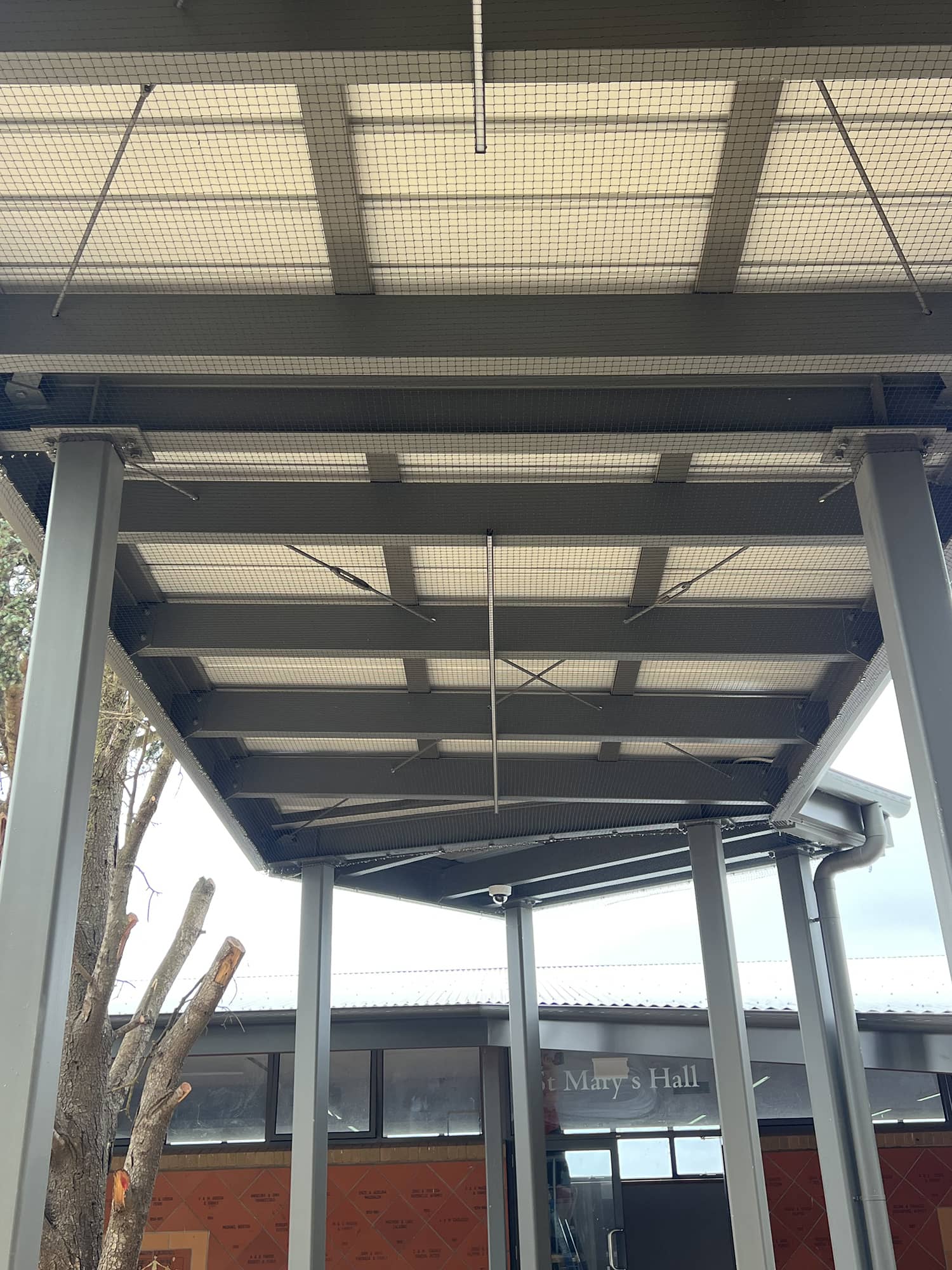
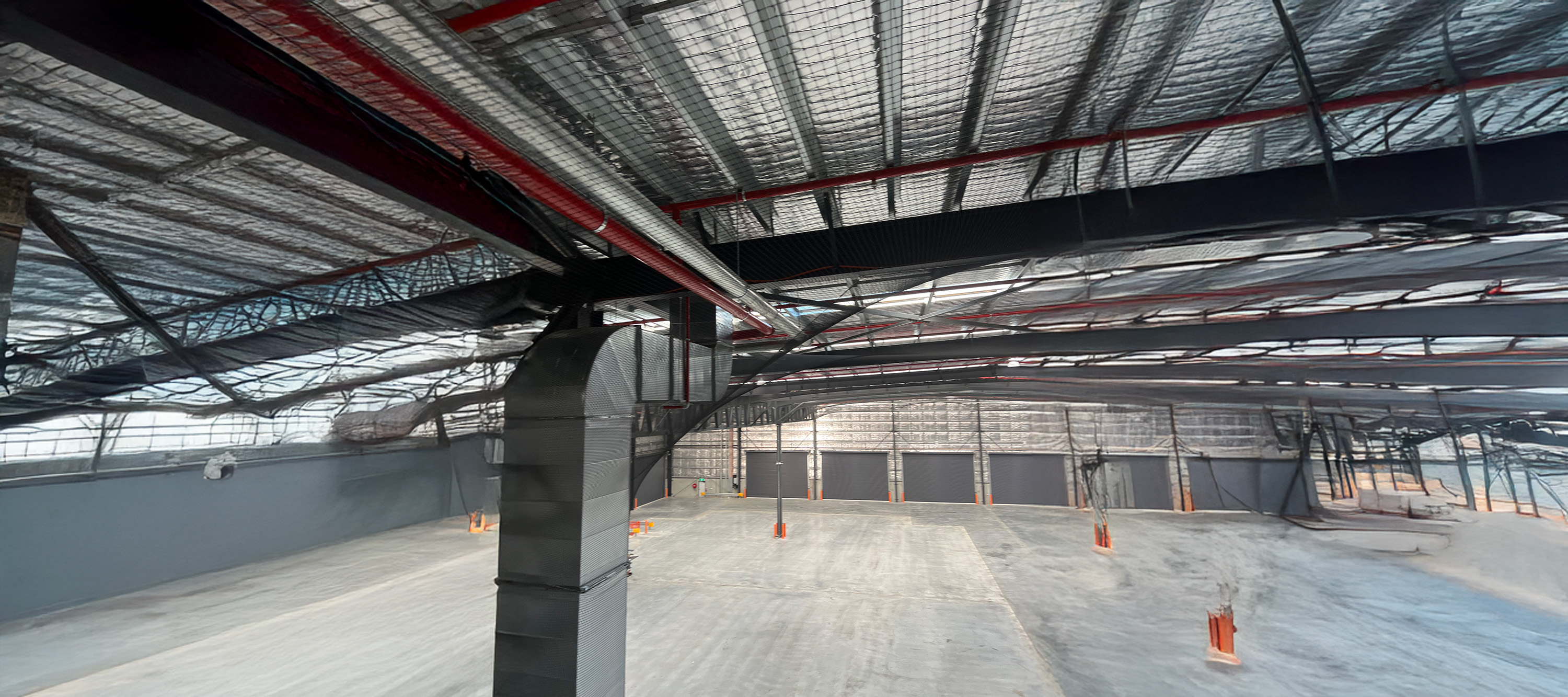
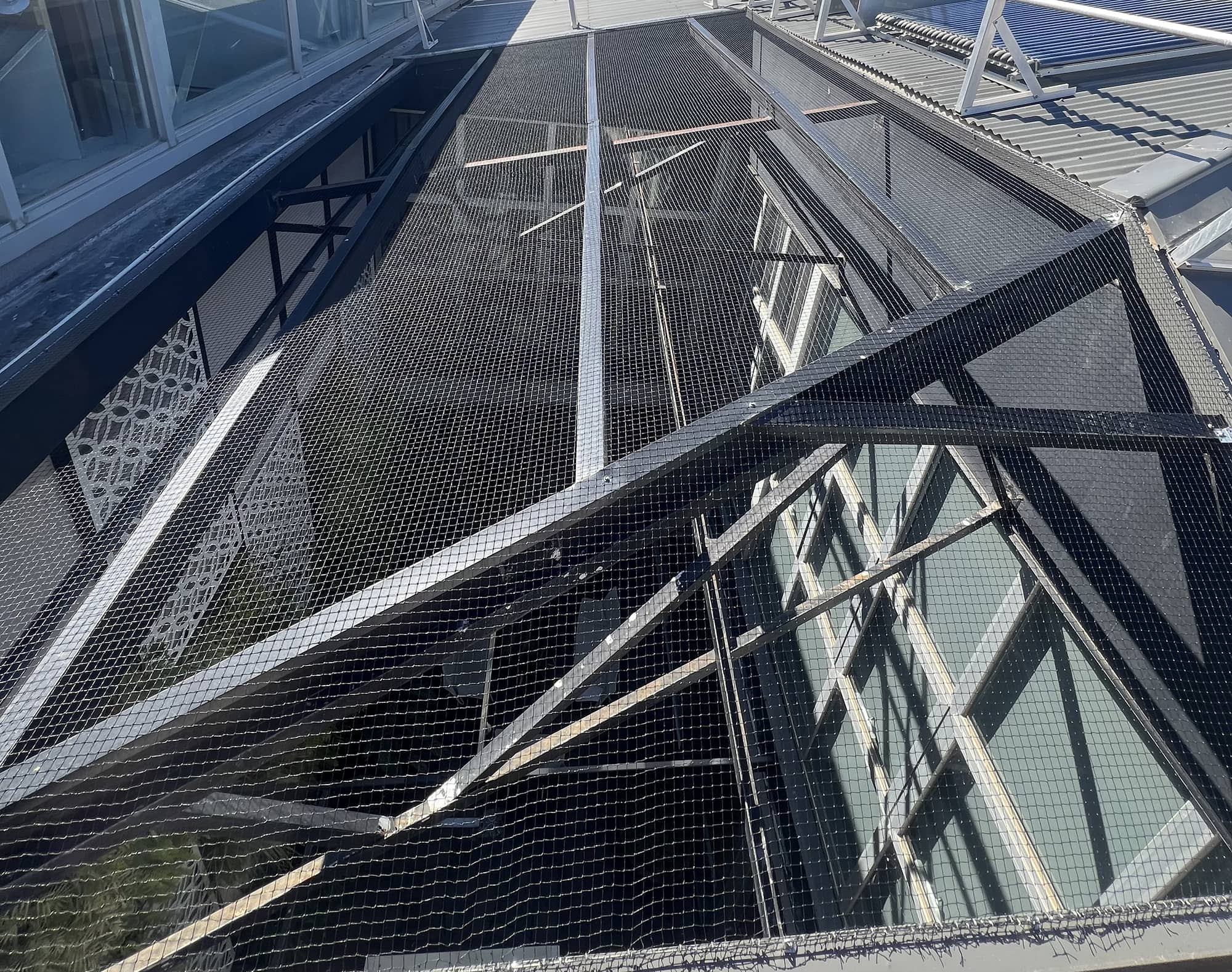
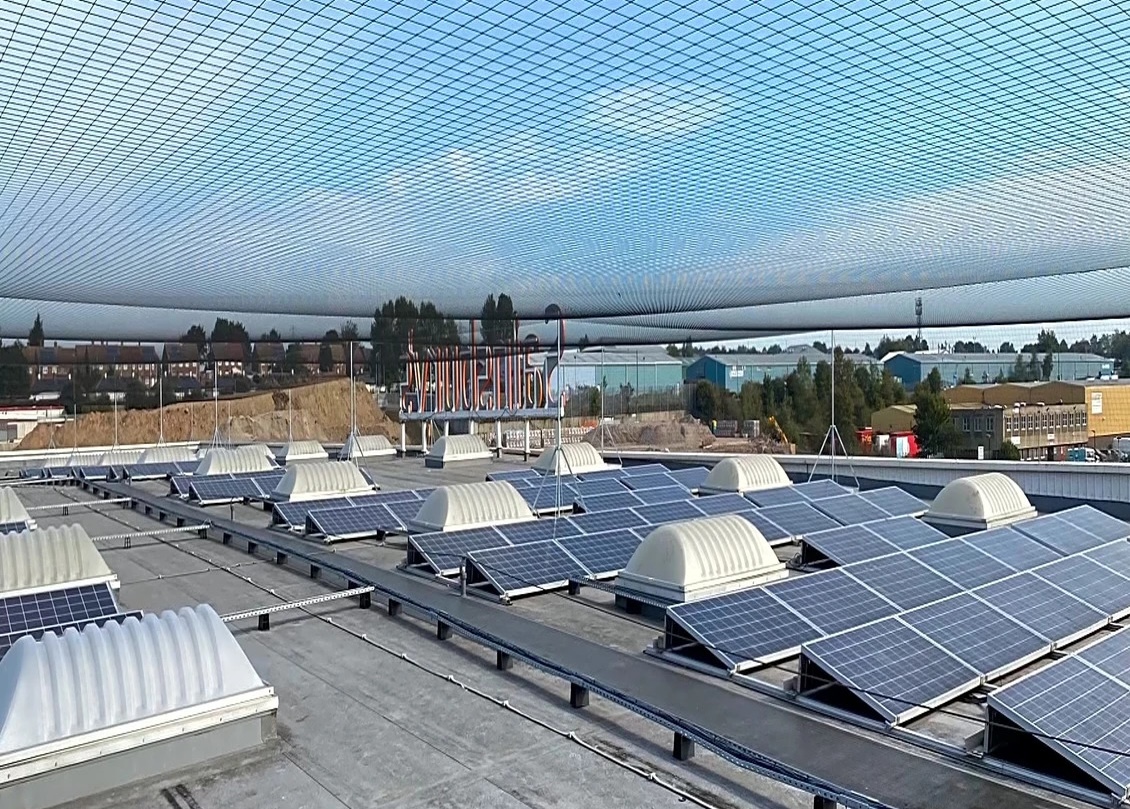
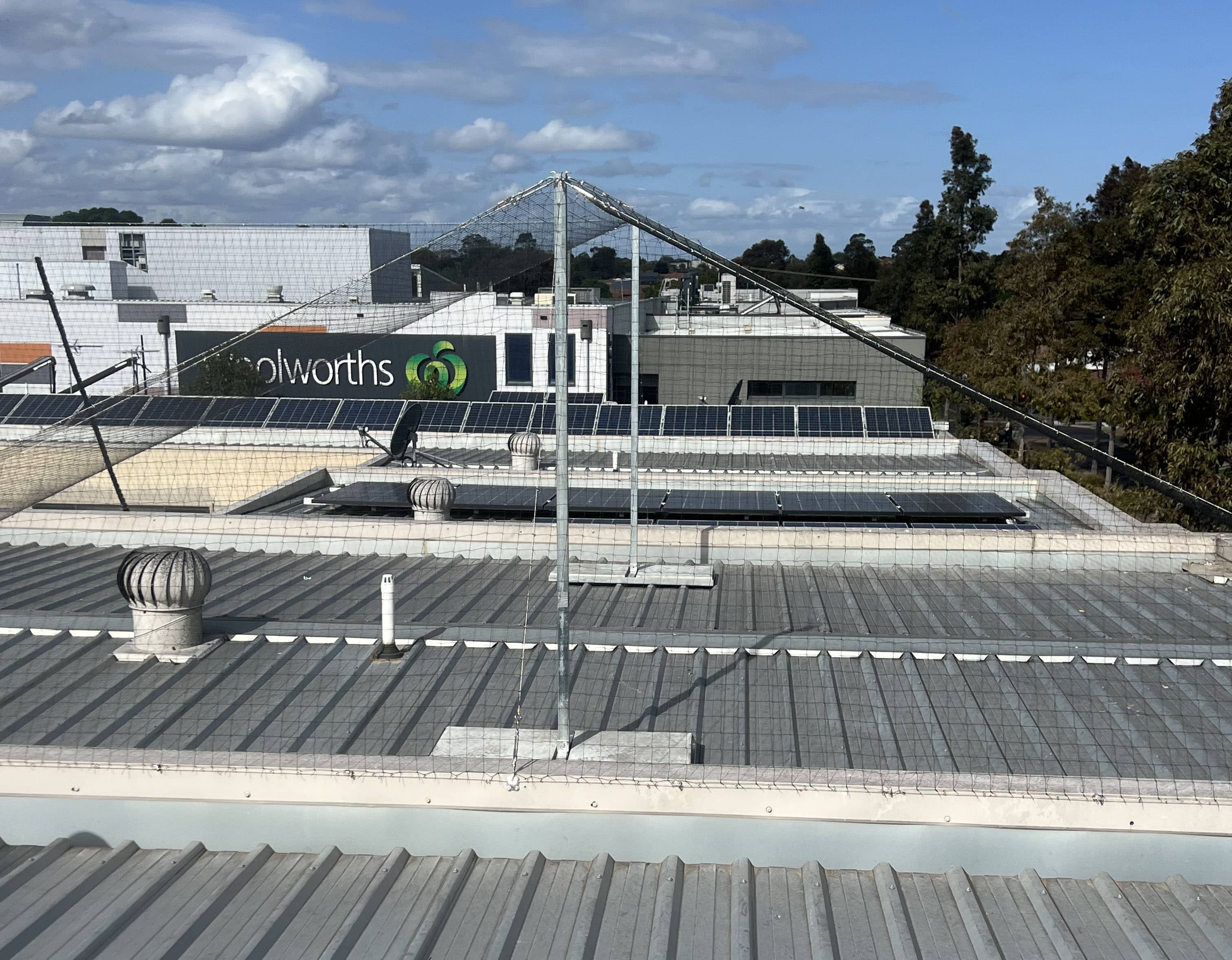
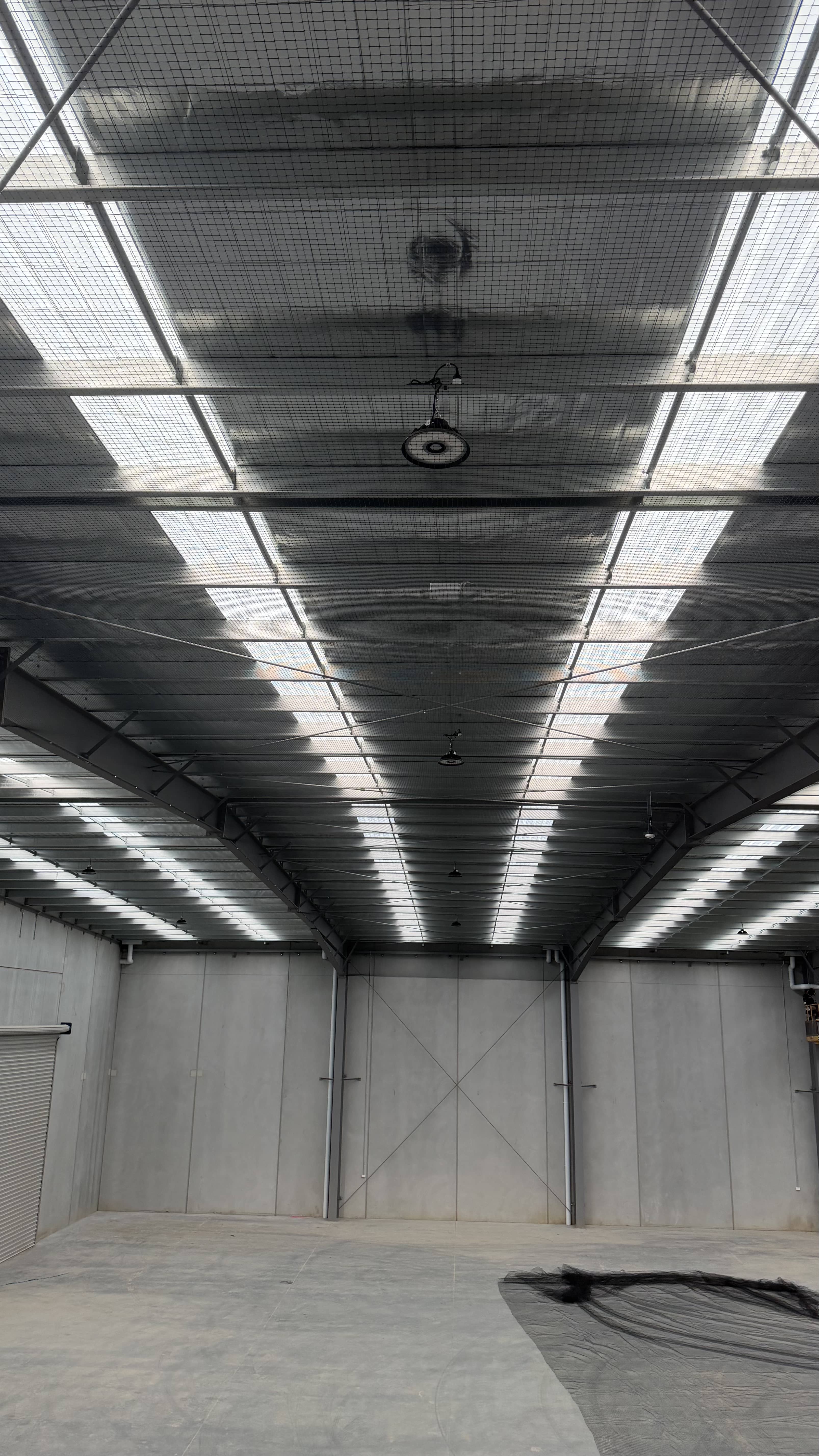
Bird netting creates a complete physical barrier between birds and the space they're trying to access. It's one of the few bird-proofing methods that offers true exclusion rather than just discouragement, which makes it the go-to option for larger or more complex structures. Professional installation matters here; a poorly tensioned or gapped net can fail within months, or worse, trap birds inside the structure it was meant to keep them out of.
| Pros | Cons |
|---|---|
| Creates a complete physical barrier; birds cannot enter at all | Requires professional installation for large or complex structures |
| Long-lasting and weatherproof when installed correctly | Debris can build up if not maintained |
| Suit a wide range of bird species and structure sizes | Not a DIY option for rooftop or industrial-scale work |
Best for: Warehouses, commercial bird netting projects, horse stables, solar panel arrays, and large semi-open structures where full exclusion is the goal.
2. Anti Bird Spikes
Anti-bird spikes are one of the most recognisable bird deterrent methods, and for good reason, they're humane, low-maintenance, and durable once fitted. In Melbourne's coastal and bayside suburbs, stainless steel spikes are generally preferred over plastic, since salt air accelerates corrosion on lower-grade materials. Spikes work by denying birds a stable landing surface rather than causing them harm.
| Pros | Cons |
|---|---|
| Humane, does not harm birds, just deters landing | Not effective for large flat surfaces or uneven terrain |
| Low maintenance once installed | Debris and nesting material can accumulate between spikes |
| Durable, especially stainless steel options | Less effective against small bird species like sparrows |
Best for: Ledges, window sills, fence tops, signage, and gutters, anywhere pigeons or larger birds are perching or roosting on a flat or narrow surface.
3. Bird Proof Gel (Optical Gel)
Bird-proof gel deters birds through a multisensorial approach rather than a single mechanism. Birds see the UV reflection as something resembling fire, the texture is uncomfortably sticky underfoot, and the sharp scent adds a further layer of deterrence. Because it's applied in small, discreet beads, it's barely visible from ground level, a major advantage on heritage facades or retail frontages where spikes would look out of place. It does need periodic reapplication, particularly in exposed or dusty locations.
| Pros | Cons |
|---|---|
| Very discreet, nearly invisible from ground level | Shorter lifespan than spikes or netting; needs periodic reapplication |
| Works indoors and outdoors | Less effective in heavy rain or dusty environments without maintenance |
| Multi-sensory: visual, tactile, and scent deterrent in one | Best suited to moderate bird pressure, not heavy infestations |
Best for: Heritage-listed buildings, retail facades, HVAC units, and signage, anywhere appearance matters and bird pressure is moderate rather than severe.
4. Electric Bird Deterrent Systems (Avi Shock)
For locations where spikes and gel haven't held up, electric track systems like Avishock offer a step up in effectiveness without compromising on discretion. The low-profile track sits flush against the surface and delivers a harmless, low-voltage pulse that conditions birds to avoid the area; it's not an injury risk, simply an unpleasant association. These systems can be shaped around curved parapets, gutters, and irregular rooflines, which makes them a flexible option for tricky architecture. Correct installation is essential, since incorrect wiring can short the system.
| Pros | Cons |
|---|---|
| Highly discreet, the track sits flush against the surface | Requires connection to a power source; not suitable for all locations |
| Adaptable to curved and irregular surface shapes | Professional installation is essential; incorrect setup can short-circuit |
| Long-lasting and weatherproof once installed | Higher upfront investment than spikes or gel |
Best for: High bird-pressure ledges, rooftop plant rooms, and properties, including heritage buildings, where other methods have already been tried without success.
5. Visual and Sonic Deterrents
Reflective tape, predator decoys, and sonic devices are often the first things people try, mostly because they're cheap and require no installation expertise. It's worth being upfront, though: birds habituate quickly, and Melbourne's smarter pest species, Indian mynas and crows in particular, tend to work out within weeks that a fake owl isn't moving. Sonic devices come with their own complications, too, since noise output is restricted in some Melbourne municipal zones.
| Pros | Cons |
|---|---|
| Low cost and easy to install | Birds habituate quickly; effectiveness drops within weeks |
| Can work as a short-term or supplementary measure | Sonic devices create noise pollution; restricted in some Melbourne zones |
| No installation expertise required | Not a reliable long-term standalone solution |
Best for: Temporary situations like market stalls or seasonal gardens, or as a supplementary measure alongside a primary method, not recommended as a standalone long-term solution.
Which Bird Control Method Suits Your Property?
If you want the short version, match your situation to the table below. It's a starting point, not a substitute for an on-site assessment, but it covers the scenarios we see most often across Melbourne properties.
| Your Situation | Recommended Method(s) |
|---|---|
| Pigeons nesting under solar panels | Bird netting (solar panel specific) |
| Birds perched on rooftop ledges or window sills | Anti-bird spikes or optical gel |
| Heritage building where spikes aren't permitted | Bird-proof gel or electric track |
| Warehouse with large open entry points | Commercial bird netting |
| Birds in a cafe outdoor area (short-term) | Visual deterrents + gel as an interim |
| High bird pressure after other methods failed | Electric deterrent system (Avi Shock) |
| Residential garden or fruit trees | Residential/backyard bird netting |
| Multiple bird species, mixed surfaces | Combined method, professional assessment recommended |
Can You DIY Bird Control in Melbourne?
Small jobs like a few metres of spikes on one ledge can be DIY'd with off-the-shelf products. For rooftops, solar panels, warehouses, or persistent infestations, professional bird control services are the difference between a method lasting years or failing within a season due to poor fitting. If you're unsure which category your situation falls into, Melbourne Bird Solutions offers a free quote and on-site assessment for residential customers.
Are Bird Pest Control Methods in Melbourne Humane and Legal?
Yes. None of the methods covered above involves trapping, poisoning, or harming birds; they work by making a surface uncomfortable, inaccessible, or unappealing, encouraging birds to roost elsewhere instead. This matters legally as well as ethically: many native bird species are protected under Victoria's Wildlife Act 1975, and pest bird management needs to stay compliant with relevant state guidelines. For more details on managing pest birds responsibly, Agriculture Victoria publishes guidance on pest bird species and humane bird control practices.
Not Sure Which Method Is Right for Your Property?
There's no one-size-fits-all bird control method; the right choice comes down to your property type, the bird species you're dealing with, and how established the problem already is.
We have spent more than five years assessing and bird-proofing properties across Melbourne, from heritage buildings in the inner city to large commercial warehouses in the outer suburbs, and every job starts with a free, no-obligation site assessment so the recommendation actually fits your situation. Get a Free Quote*, and we'll help you work out the right approach for your property.
*Please note: commercial and industrial site assessments are billable.
Frequently Asked Questions
1. What are the most effective bird control methods?
Effectiveness depends on your situation. Physical barriers like bird netting offer full exclusion for large areas, while anti-bird spikes suit ledges and surfaces. For high bird pressure or areas where aesthetics matter, optical gel or electric deterrent systems may work better. A professional assessment gives you the most reliable answer for your property.
2. How much does bird control cost in Melbourne?
Costs vary depending on the method, the size of the area, and access difficulty. Spikes and gel are generally the most affordable options; commercial netting and electric systems involve a higher upfront investment but last longer. Call us now for more details.
3. Do birds get used to deterrents over time?
Static visual deterrents like reflective tape or predator decoys lose effectiveness as birds habituate to them. Physical methods like netting and spikes remain effective long-term because they create a genuine barrier or discomfort, not just a visual cue. Electric systems and gel also maintain effectiveness with proper maintenance.
4. Can I install bird control myself?
Small DIY installations, like a few metres of spikes on a single ledge, are possible with off-the-shelf products. For rooftops, solar panels, warehouses, or complex structures, professional installation is strongly recommended. Poorly fitted netting or spikes can fail quickly or allow birds to become trapped, creating a bigger problem.