Call us: 03 9993 7196
  Opening hours: Mon - Sat: 8:00am To 9:00pm


How to Get Rid of Seagulls on the Roof | Expert Tips

How to Get Rid of Seagulls on the Roof
Getting rid of seagulls on the roof is harder than it looks. Melbourne and its suburbs, like Frankston, Port Melbourne, Seaford and Mornington, are highly prone to seagull intervention, and homeowners know this firsthand. The sunrise noise, blocked gutters, and relentless swooping through nesting season. Quick fixes don't hold because seagulls are smart and adaptable.
Effective control means combining physical deterrents like spikes, netting, and wire systems with scare tactics and environmental changes. One method alone won't cut it.
But before knowing how to get rid of seagulls on the roof, it's important to understand why seagulls are targeting your roof in the first place.
Why Are Seagulls Attracted to Your Roof?
Before you can solve the problem, you need to understand it. Seagulls don't choose your roof randomly. In Melbourne's coastal areas, especially around Dandenong CBD, seagulls actively seek spaces that feel safe, elevated, and close to food.
Warm, Elevated Nesting Spots
Roofs offer height and safety from predators. Tiled and metal roofs absorb heat during the day and stay warm overnight, making them ideal for nesting. In suburbs like Brighton and Elwood, homes near the water are prime targets.
Easy Access to Food Sources
Open bins, outdoor dining, and nearby takeaway strips make food easy to find. Areas around St Kilda Beach and local cafes often attract gulls, and once they find a reliable food source, they nest nearby.
Flat Roofs Mimic Natural Cliffs
Seagulls naturally nest on coastal cliffs. Flat or low-pitch roofs in Melbourne replicate this environment, giving them a familiar and stable place to settle.
Seasonal Nesting Behaviour
During breeding season (typically spring to early summer), seagulls become territorial and persistent. If they've nested once, they'll return to the same spot year after year.
Understanding these triggers makes it clear why basic scare tactics fail, and why targeted bird control solutions work better.
Problems Caused by Seagulls on Flat Roofs
Seagulls might seem harmless at first, but once they settle on your flat roof, the impact builds quickly. In Melbourne, this often turns into a daily frustration for homeowners and businesses.
Noise Disturbance
Seagulls are loud and active at sunrise. During nesting season, the noise intensifies with constant calling and chick activity. Sleep disruption becomes a real issue, especially in quiet residential streets.
Roof Damage
Nesting materials like sticks, bones, and rubbish get dragged onto your roof. Over time, this can scratch surfaces, loosen tiles, and damage protective coatings. Seagulls also peck at roofing materials, especially around weak spots.
Blocked Gutters & Drainage Issues
Debris from nests quickly clogs gutters and downpipes. This leads to water overflow during rain, which can cause internal leaks and structural damage if ignored.
Health Risks
Seagull droppings are acidic and carry bacteria. They stain roofs, damage paint, and create unsanitary conditions around your home or business. In high-traffic areas like Sandringham and St Kilda, this is a common hygiene concern.
How to Get Rid of Seagulls?
The best way to stop gulls nesting on your roof isn't a single fix. It comes down to using a combination of methods that work together. Physical barriers like spikes, netting, and wire systems are the most reliable because they stop seagulls from landing in the first place.
Visual and sound deterrents can add pressure, while natural and DIY options may help in less severe cases. The difference is in how and where you apply them; a poor setup leads to quick failure.
Each method works differently depending on your roof type, location, and the level of bird's activities. Choosing the right one can mean the difference between a short-term fix and a permanent solution.
1. Bird Netting
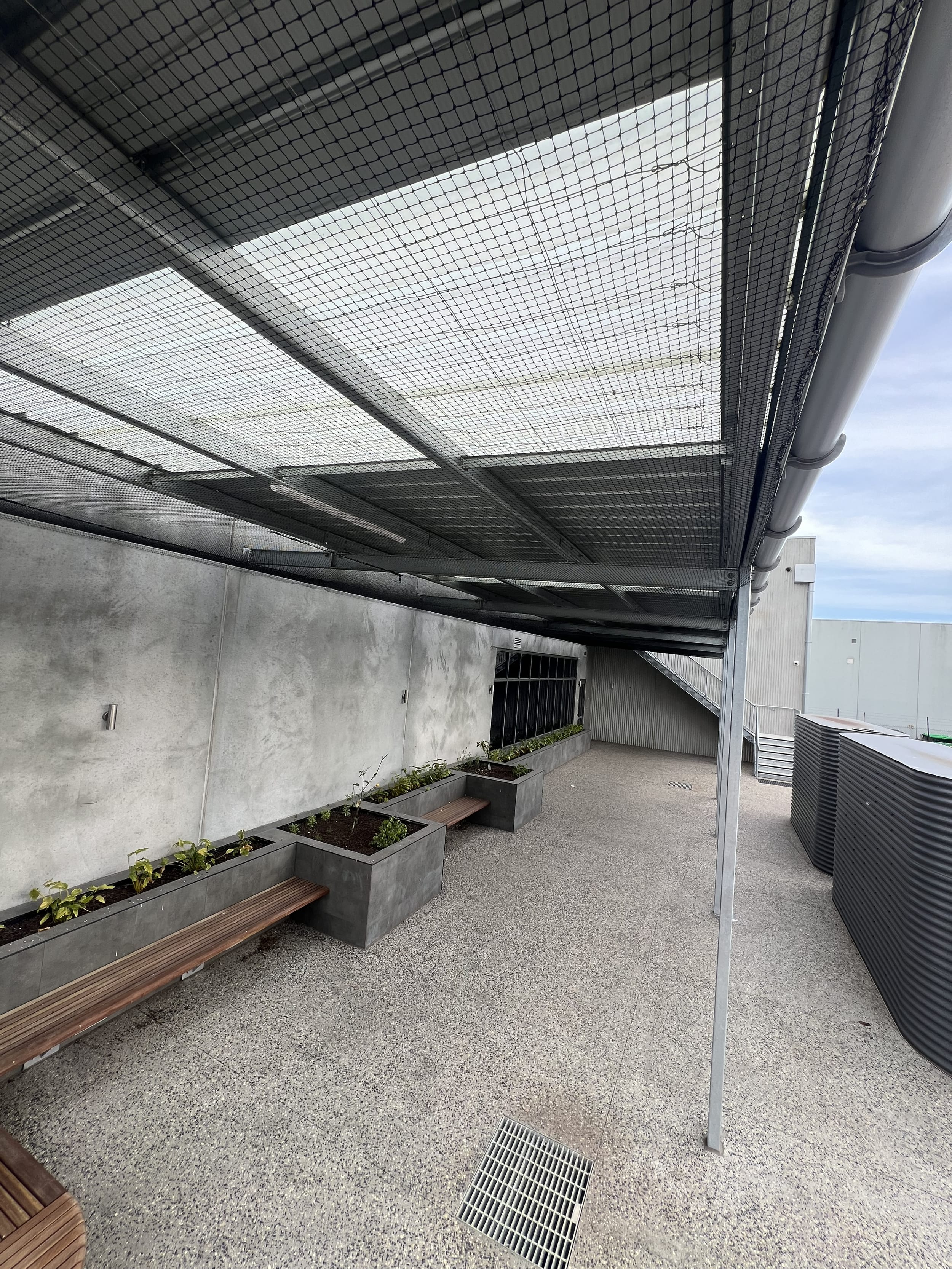
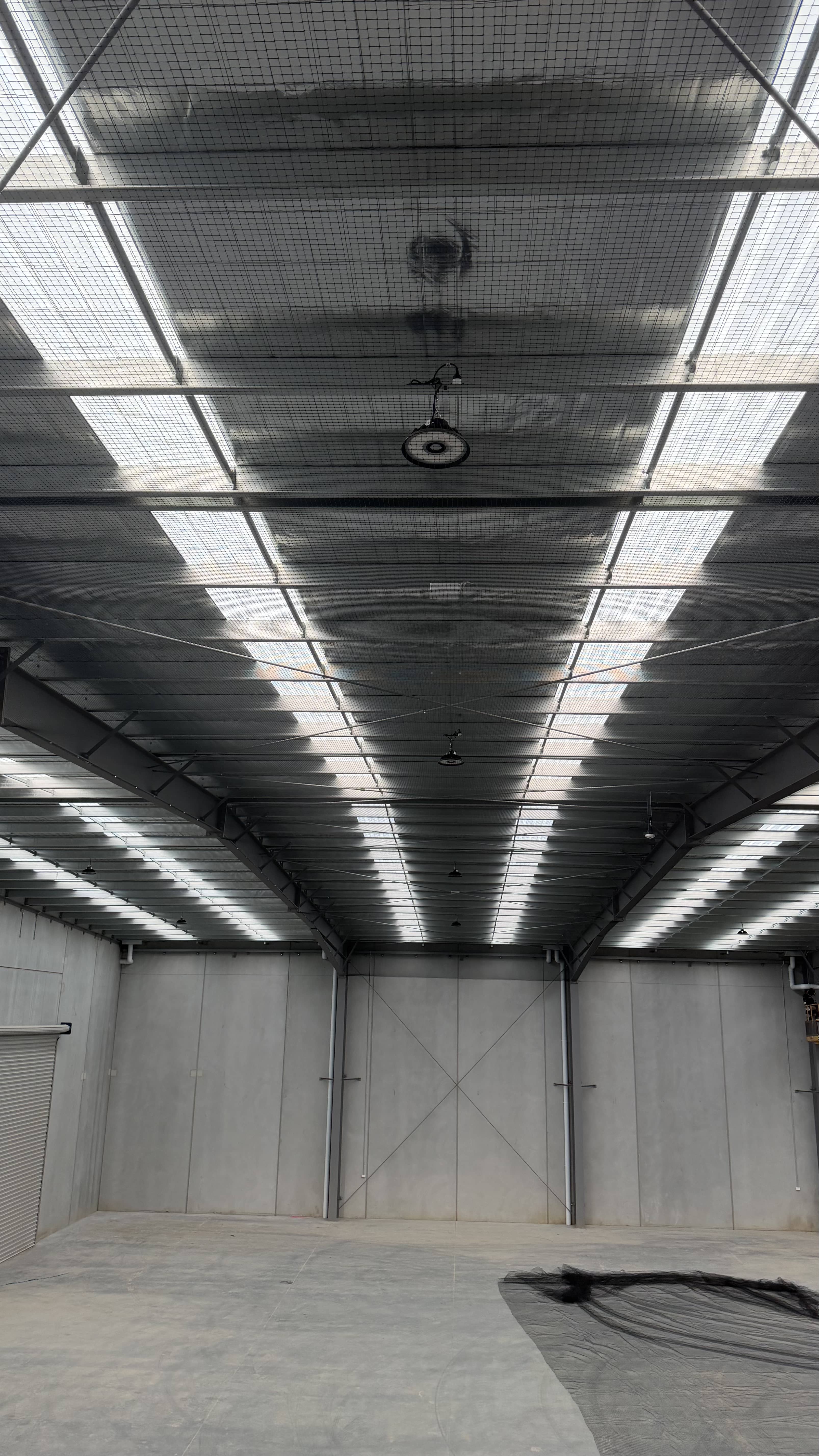
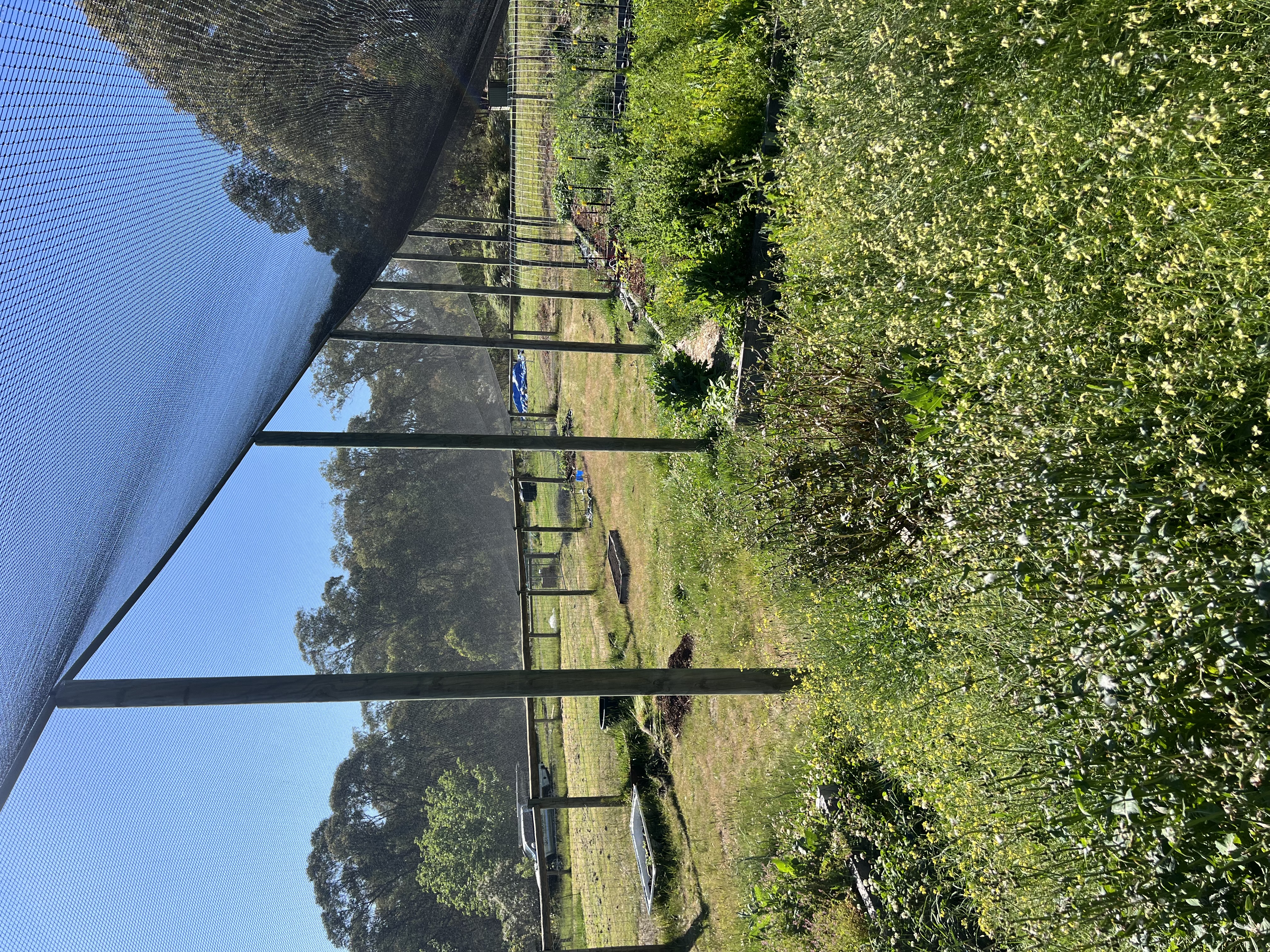
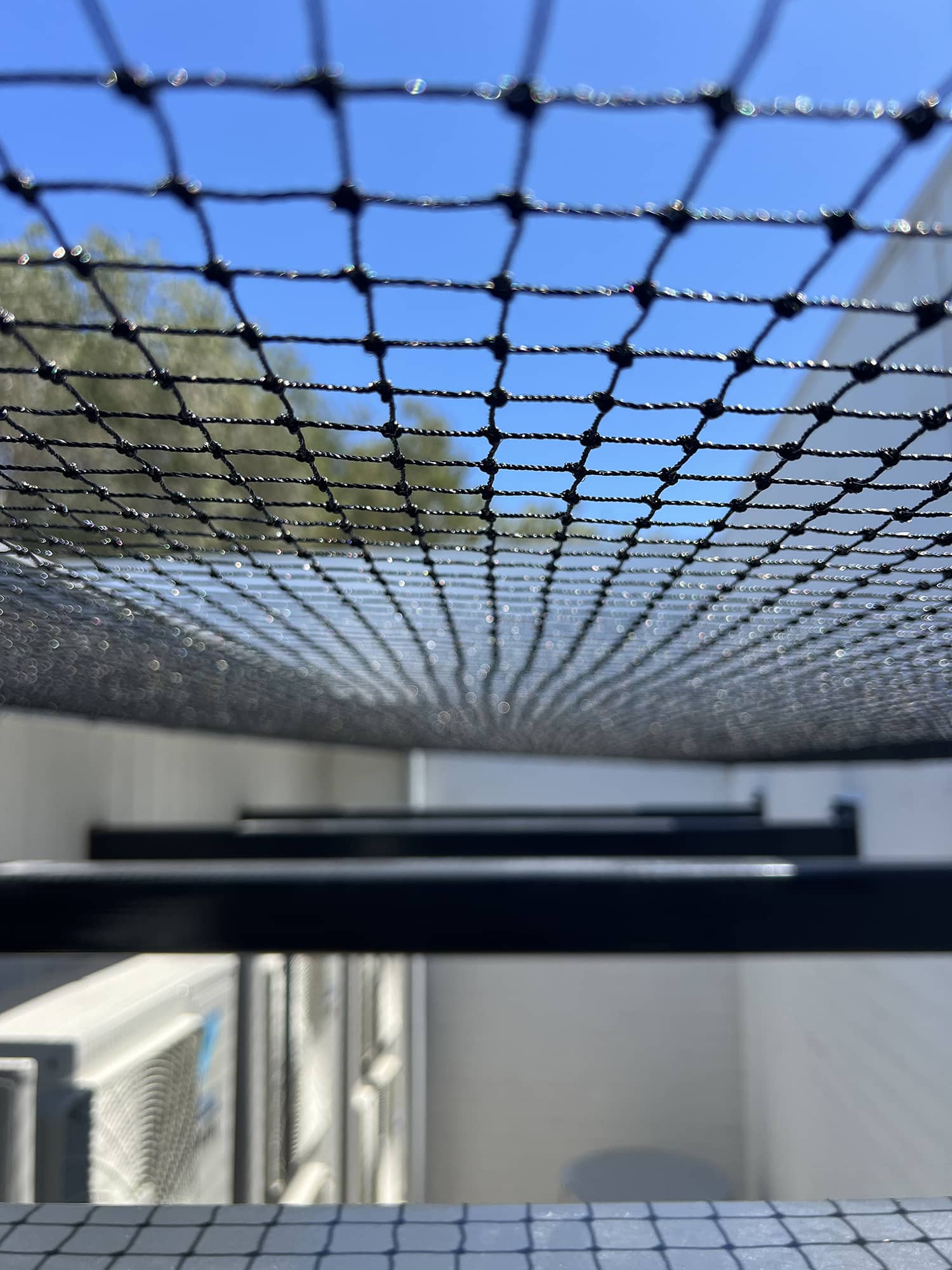
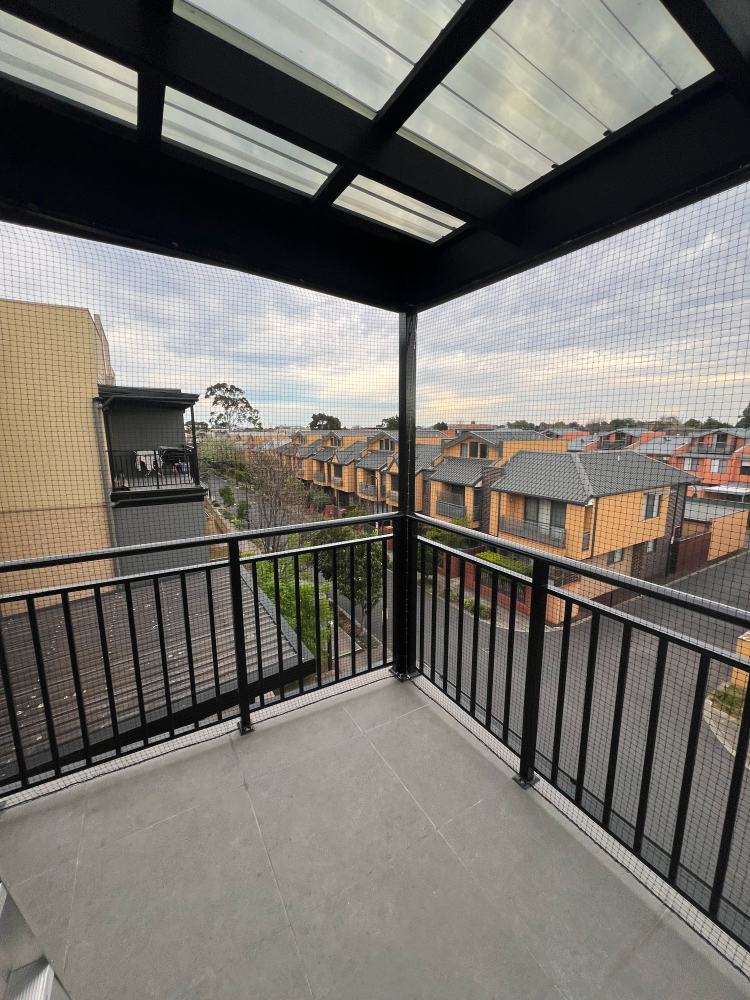
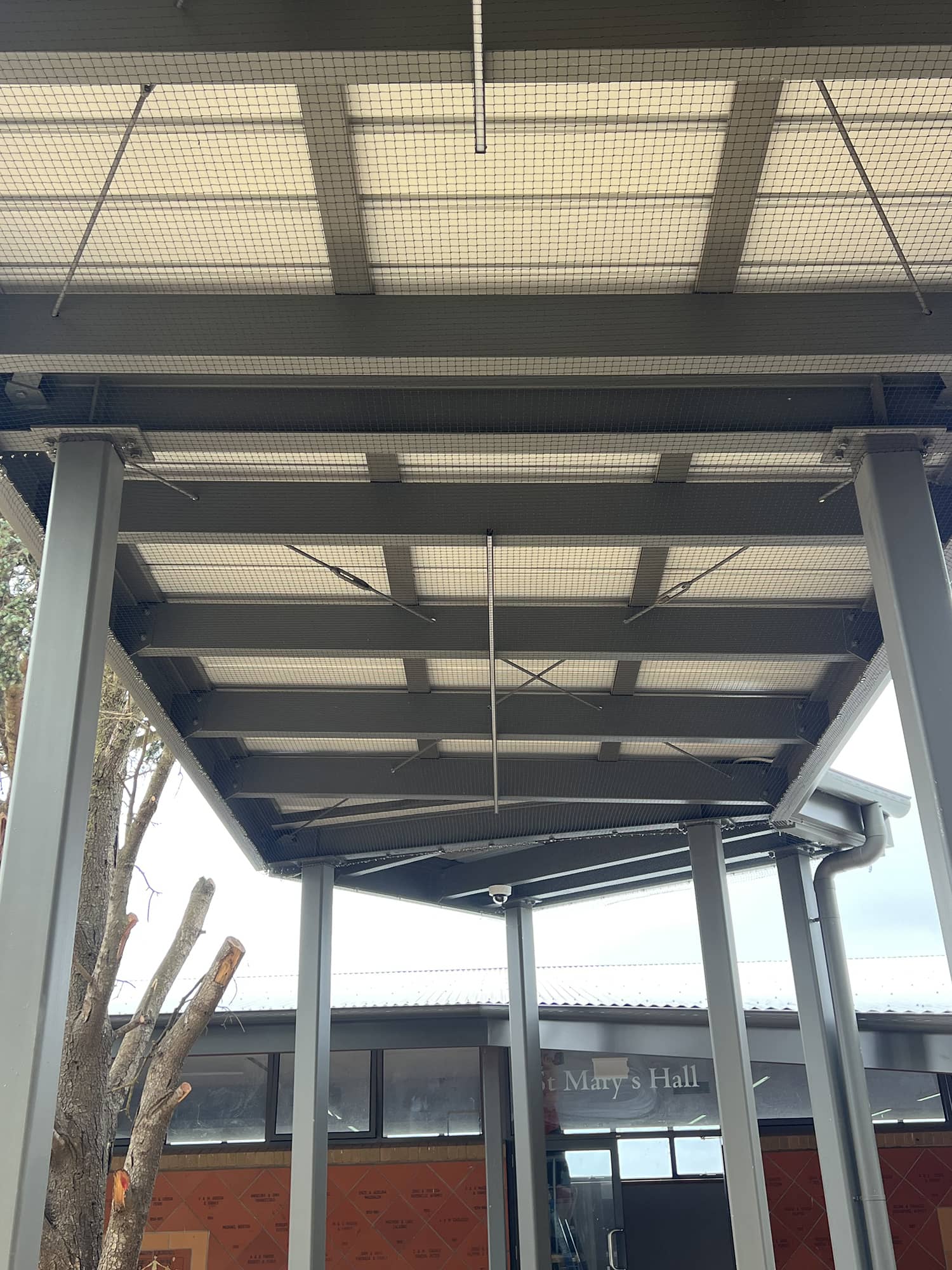
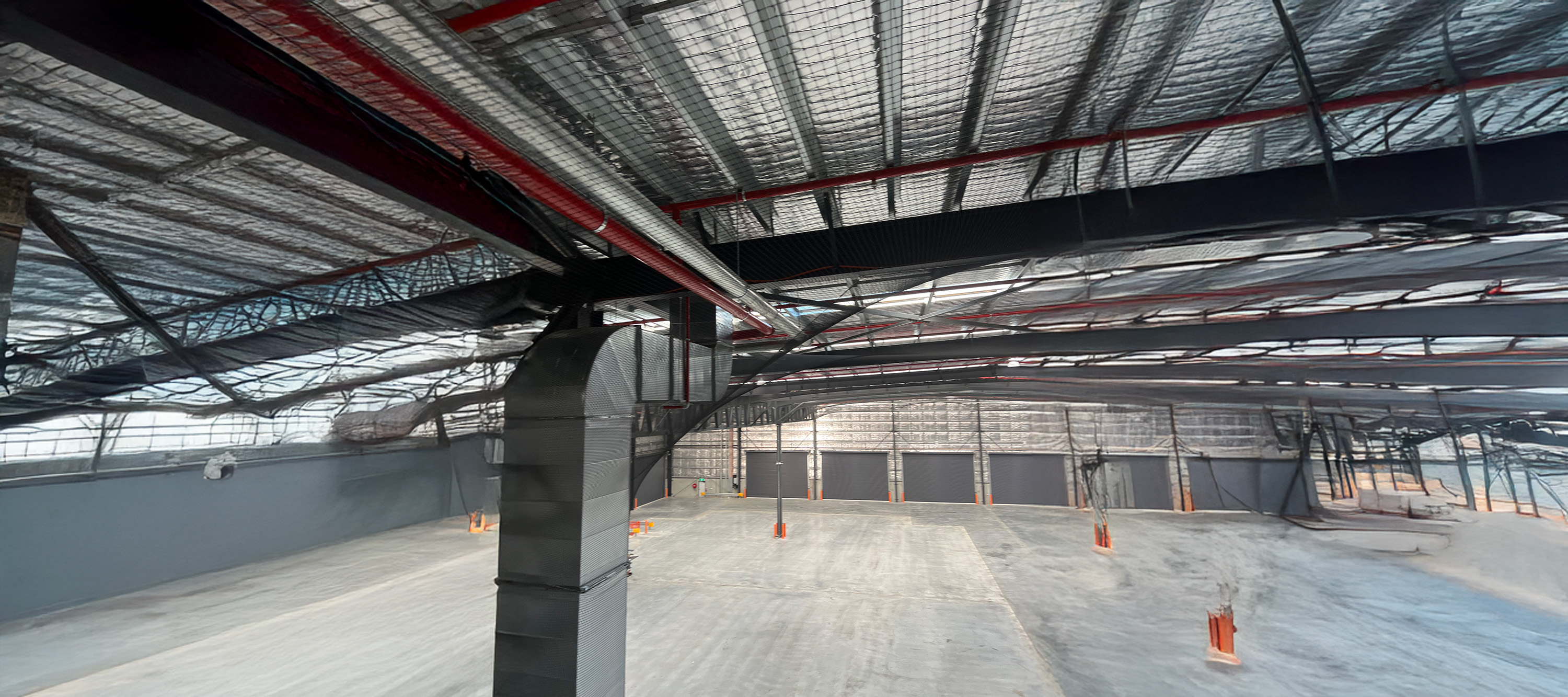
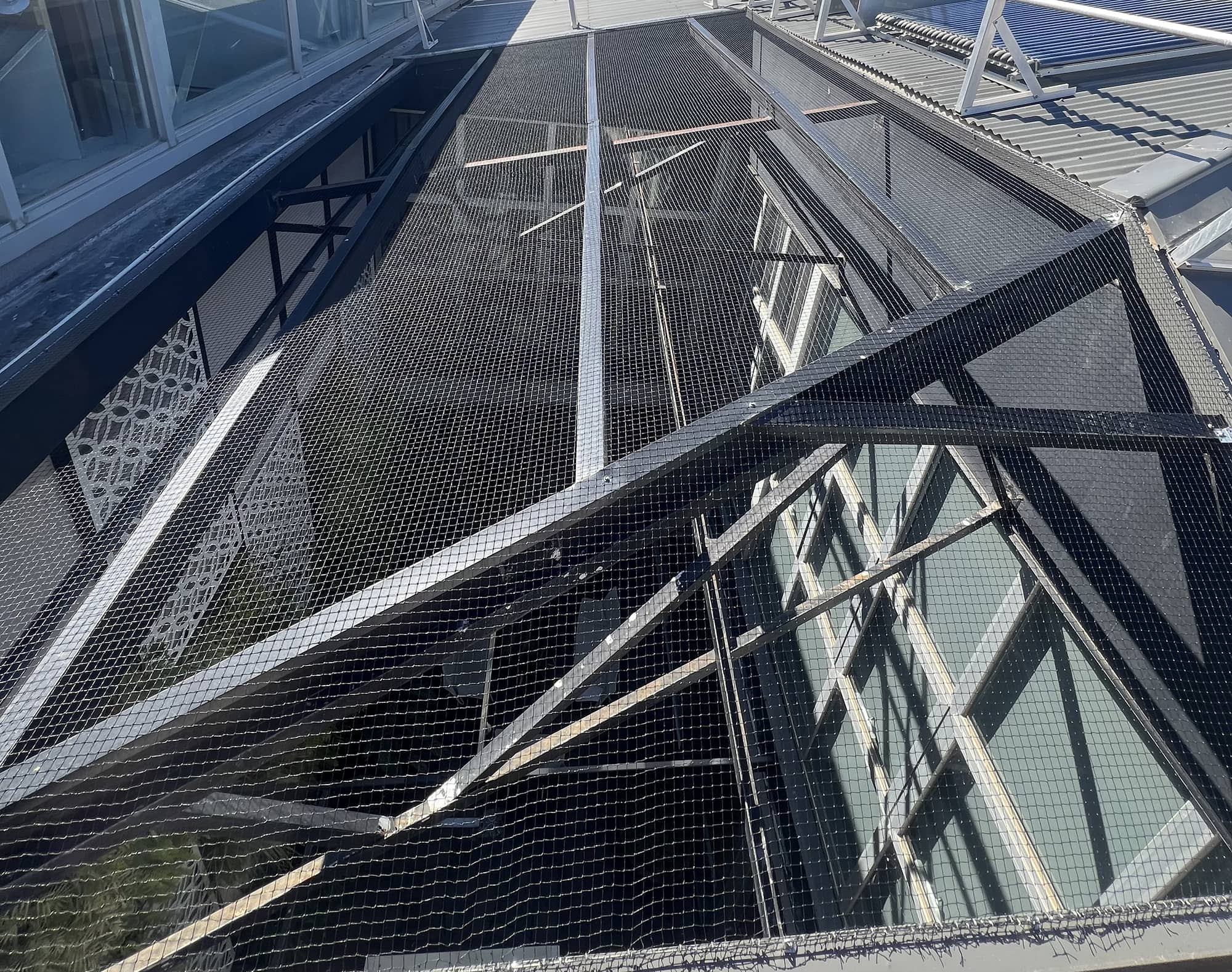
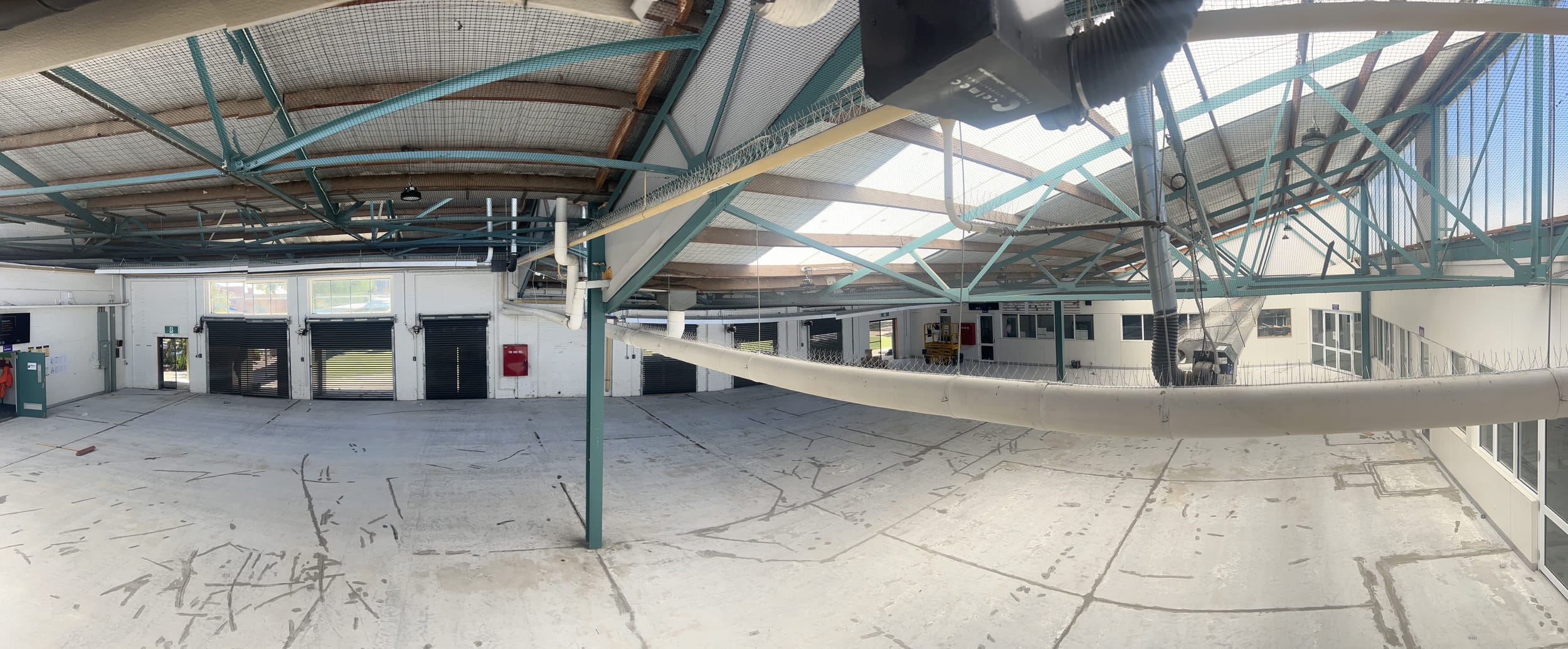
Bird netting is one of the best options for covering large roof sections and completely blocking access. It creates a physical barrier that stops seagulls from nesting or settling. Bird netting is an ideal choice for heavy infestations, working well on warehouses, commercial roofs, and residential problem areas when professionally installed.
2. Bird Spiders
Bird spiders use wind-powered rotating arms to create constant movement that deters seagulls from landing. They're especially effective on flat or low-pitch roofs common around Melbourne's bayside areas. With no electricity required and minimal upkeep, they offer a simple, low-maintenance option for reducing gull activity.
3. Bird Spikes
Bird spikes are one of the most reliable ways to stop seagulls from landing on roof edges, ledges, and chimneys. They are a humane solution that creates an uneven surface that prevents birds from settling. In Melbourne's coastal homes, they're widely used as a long-term, low-maintenance solution when installed correctly in key landing zones.
4. Wire Grid Systems
Wire grid systems stretch stainless steel wires across your roof in a tight grid pattern. When seagulls attempt to land, the wires shift underfoot, creating an unstable surface they avoid. The wires sit low-profile against the roofline, making them nearly invisible from the street. Melbourne homeowners in Brighton and Beaumaris prefer this option where kerb appeal matters.
5. Scare Tactics
Reflective tape, old CDs, and spinning mirrors disorient seagulls with unpredictable light patterns. Predator decoys, plastic owls or hawks placed on ridgelines trigger their natural avoidance instinct. Ultrasonic sound deterrents add another layer of pressure. Rotate positions regularly, as seagulls quickly adapt. Treat these as support tools, not standalone fixes.
6. Environmental Control
Cut off what draws them in and block off their food and water supply. Secure bin lids tightly, especially near busy cafes or beachside takeaway zones. Clean roof surfaces and gutters regularly to remove nesting debris. Trim overhanging trees that give gulls a launch point. Remove the appeal, and most seagulls move on without needing any other intervention.
Homemade Seagull Deterrents That Actually Work
If you don't want expensive equipment to repel the birds from your property, use these homemade seagull deterrents. A few materials from around the house, placed strategically, can disrupt seagull behaviour before it becomes a nesting problem.
- Hanging reflective objects: Old CDs, foil strips, or mirror tiles hung from eaves catch sunlight and disorient approaching gulls.
- DIY predator shapes: Cut hawk or owl silhouettes from cardboard or plywood, mount on roof ridges, and reposition every few days.
- Aluminium foil strips: Tape along ledges and gutters. The movement and reflection unsettle gulls without any cost.
- Motion-activated sprinklers: Set near flat roof edges or skylights. Gulls learn fast. A surprise burst of water is usually enough to discourage repeat visits.
What to Consider Before Controlling Seagulls on Your Roof
Acting without the right information can make the problem worse or land you in legal trouble. Before placing a single spike or decoy, understand what the law allows and what best practice looks like in Victoria.
Wildlife Protection Laws
Seagulls are protected under the Wildlife Act 1975 (Vic). Harming, trapping, or killing them without authorisation from the Department of Energy, Environment and Climate Action (DEECA) is illegal. Any control method you use must be non-lethal and humane.
Nesting Season Restrictions
Seagulls typically nest between September and January along Melbourne's Port Phillip Bay coastline. Disturbing an active nest during this period can breach state wildlife protections. Always act before the season starts or consult a licensed professional if nesting is already underway.
Humane vs Harmful Methods
Spikes, netting, wire systems, and visual deterrents are all legal and humane. Poison, traps, and egg removal without a permit are not. If you are unsure whether a method is compliant, check with DEECA or a licensed bird control specialist before proceeding.
When to Call a Professional
Some infestations go beyond DIY scope. A licensed pest controller with bird management experience, particularly one familiar with bayside Melbourne conditions, can assess the infestation, advise on legal compliance, and install long-term deterrents safely. Always verify a Victorian pest control licence before hiring.
Pro Tips for Long-Term Seagull Prevention
No single method wins while you try to find how to get rid of seagulls on the roof. Combine spikes, wire grids, and scare tactics together, and rotate decoy positions every few weeks, and seagulls adapt fast. Install everything before August, when coastal scouts start eyeing rooftops ahead of nesting season.
Keep gutters clear and roofs clean year-round. Inspect all fittings annually, and keep the environment controlled to repel the birds naturally.
If the problem keeps coming back, Melbourne Bird Solutions offers professional netting, spiking, solar panel proofing, gutter cleaning, and commercial installations, all backed by a five-year guarantee. Book a free consultation today to discuss your bird control requirements.
Frequently Asked Questions
How do I get rid of seagulls permanently?
Permanent control comes from combining physical barriers with environmental management. Spikes, netting, and wire grids block access. Removing food sources and keeping the roof clean removes the attraction. No single method guarantees permanence, but a layered approach maintained consistently comes closest.
What smell keeps seagulls away?
Seagulls dislike strong citrus, peppermint, and eucalyptus scents. White vinegar sprayed along ledges and gutters acts as a mild repellent. These smells disrupt their comfort without causing harm. Reapply frequently, especially after rain, as the effect fades quickly outdoors.
How to get rid of seagulls on the roof naturally?
Vinegar spray along roof edges creates a scent barrier that seagulls find unpleasant. Citrus peels placed near common landing spots add another preventive layer. Peppermint and eucalyptus essential oils diluted in water and sprayed on ledges can deter repeat visits. DIY reflective materials, foil strips, and old CDs disrupt their approach with unpredictable light.
Are natural methods reliable and long-term beneficial?
Natural methods are less reliable than physical deterrents. Use them as support tools, not primary solutions. Results vary depending on the infestation level and weather conditions.
How to get rid of seagulls from the garden?
Cover vegetable beds and fruit plants with netting to block access. Place predator silhouettes, hawk or owl shapes, at garden entry points and reposition them regularly. Remove any standing water and secure compost bins tightly. Garden scare devices with motion activation add pressure without constant maintenance.
How to scare seagulls away from your house?
Combine visual and sound deterrents for the best result. Reflective tape, spinning decoys, and predator shapes create visual disruption. Ultrasonic devices add an auditory layer. Move every decoy every two to three weeks; seagulls recognise static objects quickly. Never feed seagulls, even unintentionally. Exposed food is the fastest way to make your home a regular stop.
How to keep birds off the roof and gutters?
Install gutter guards to block nesting material from settling. Fix bird spikes along roof edges, ridgelines, and flat sections where birds prefer to land. Stick to a regular cleaning schedule, and cleared gutters give birds no foothold and no reason to stay. Seal any gaps around eaves, vents, and fascia boards where birds might find entry points for nesting.